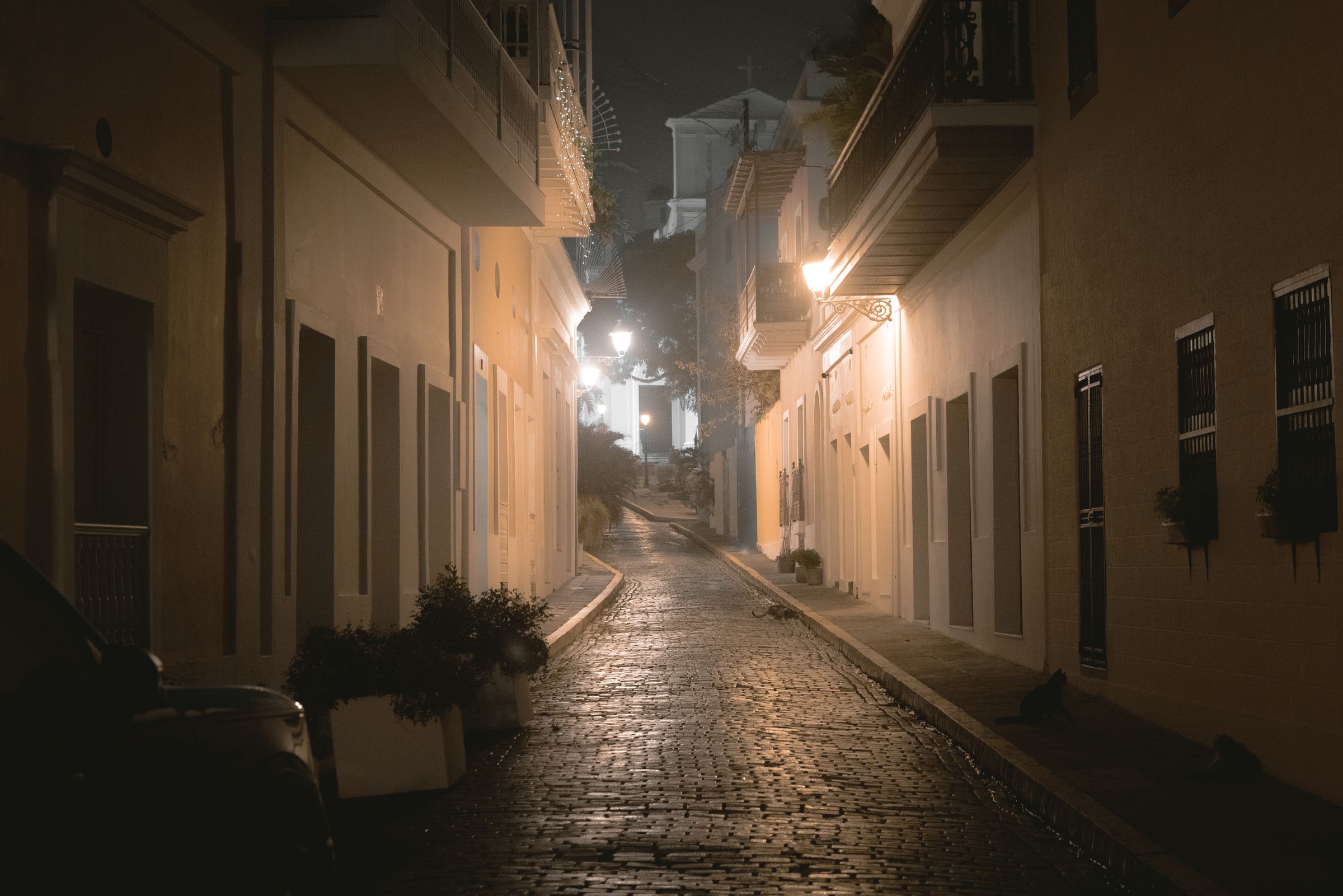
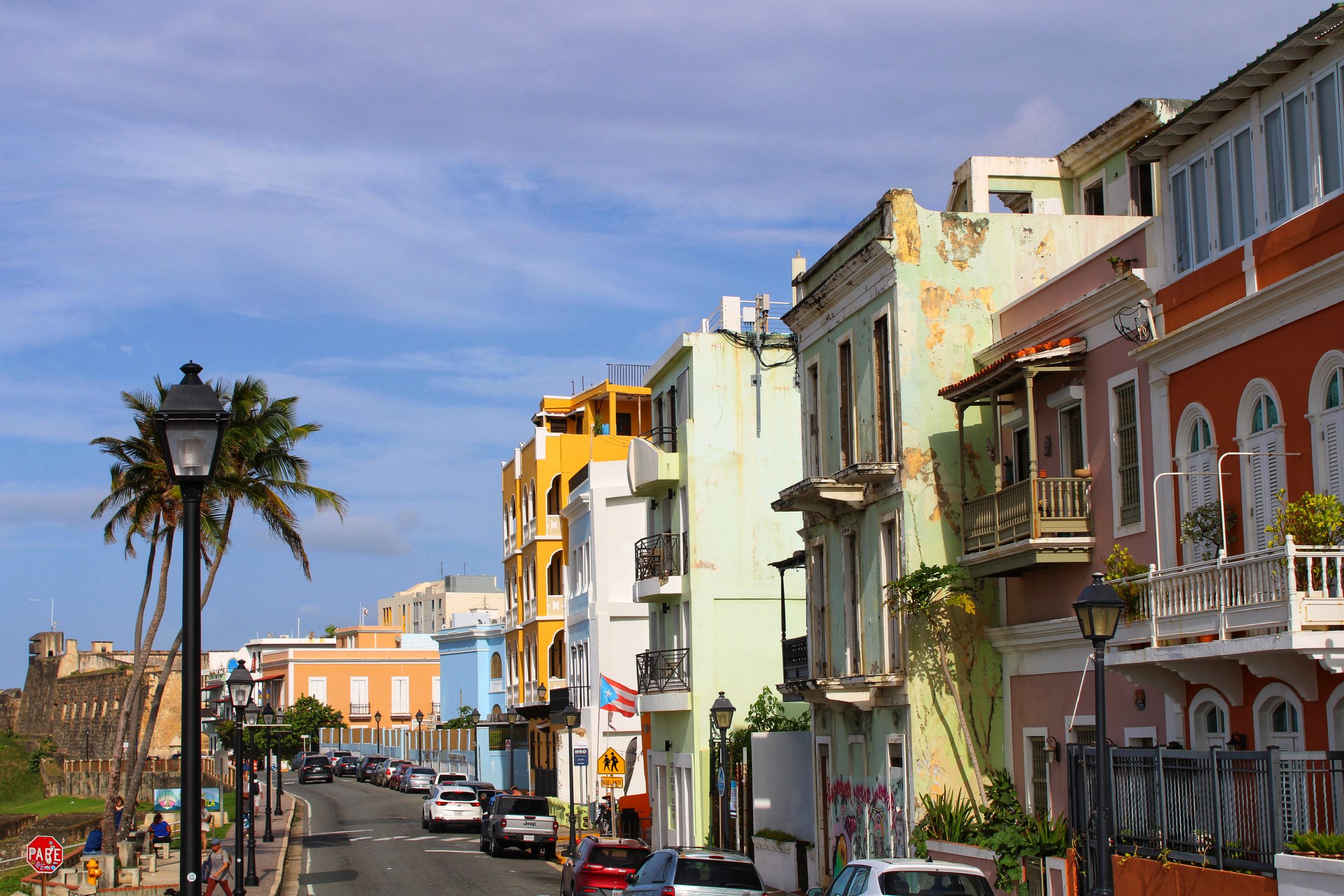
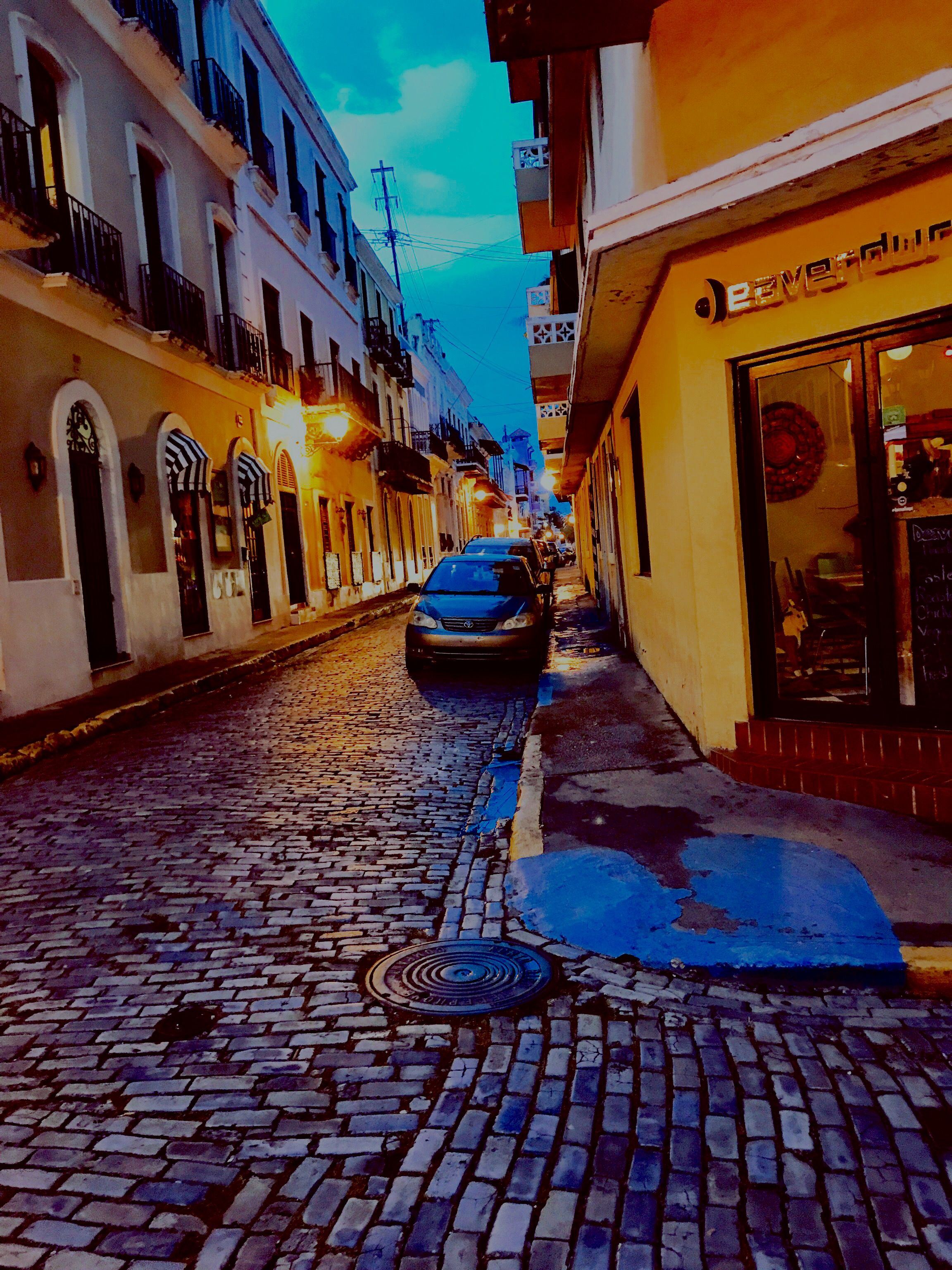
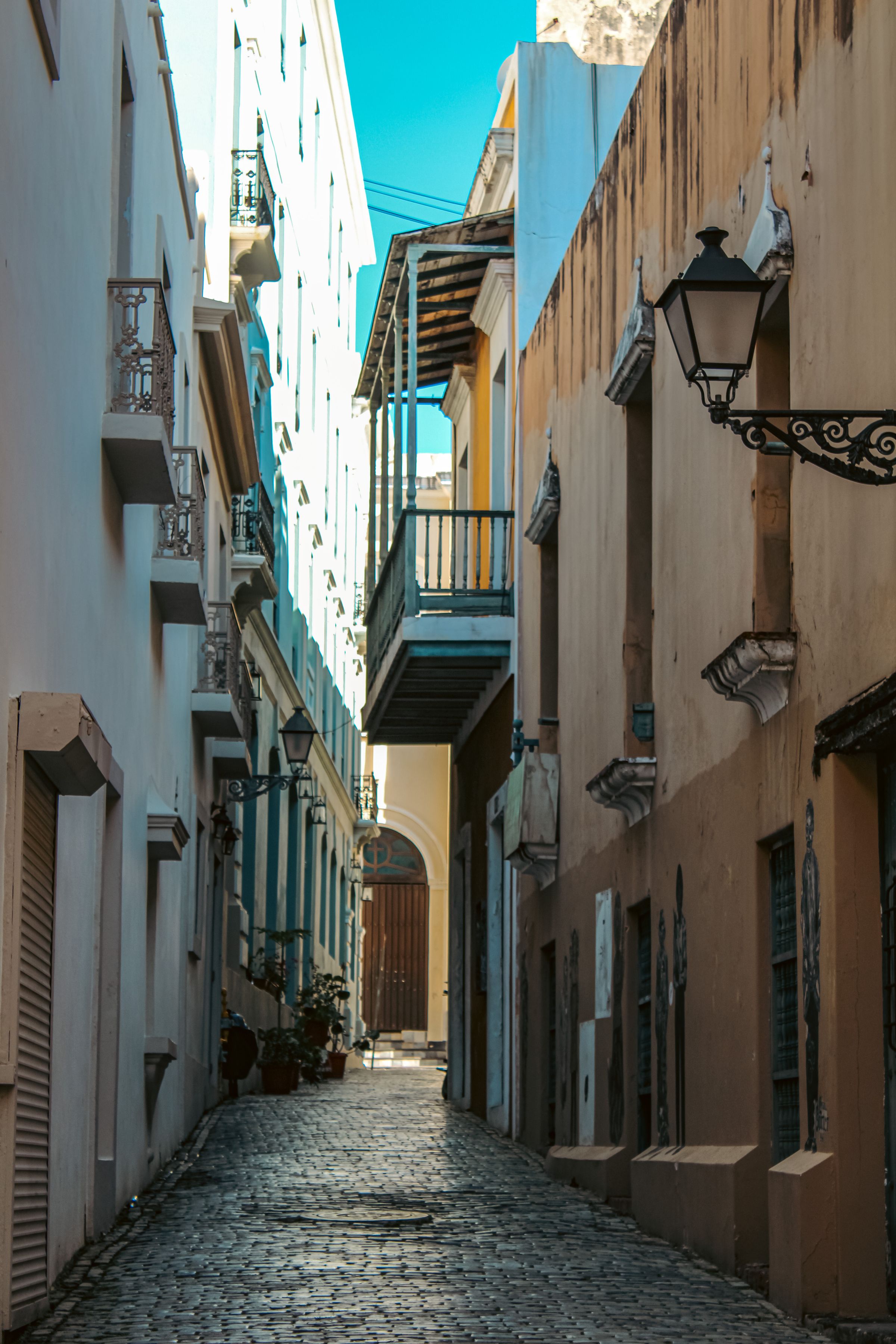
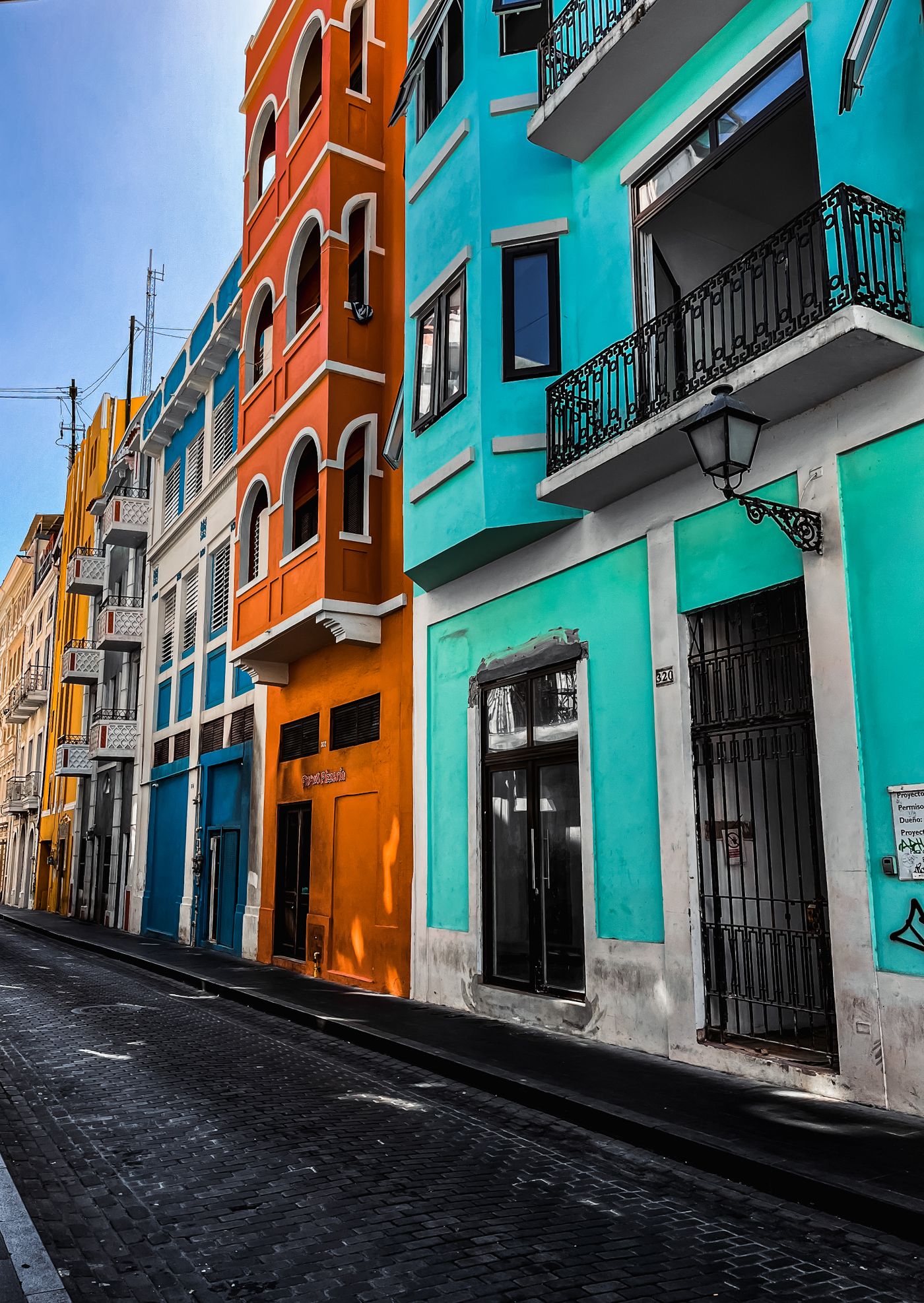
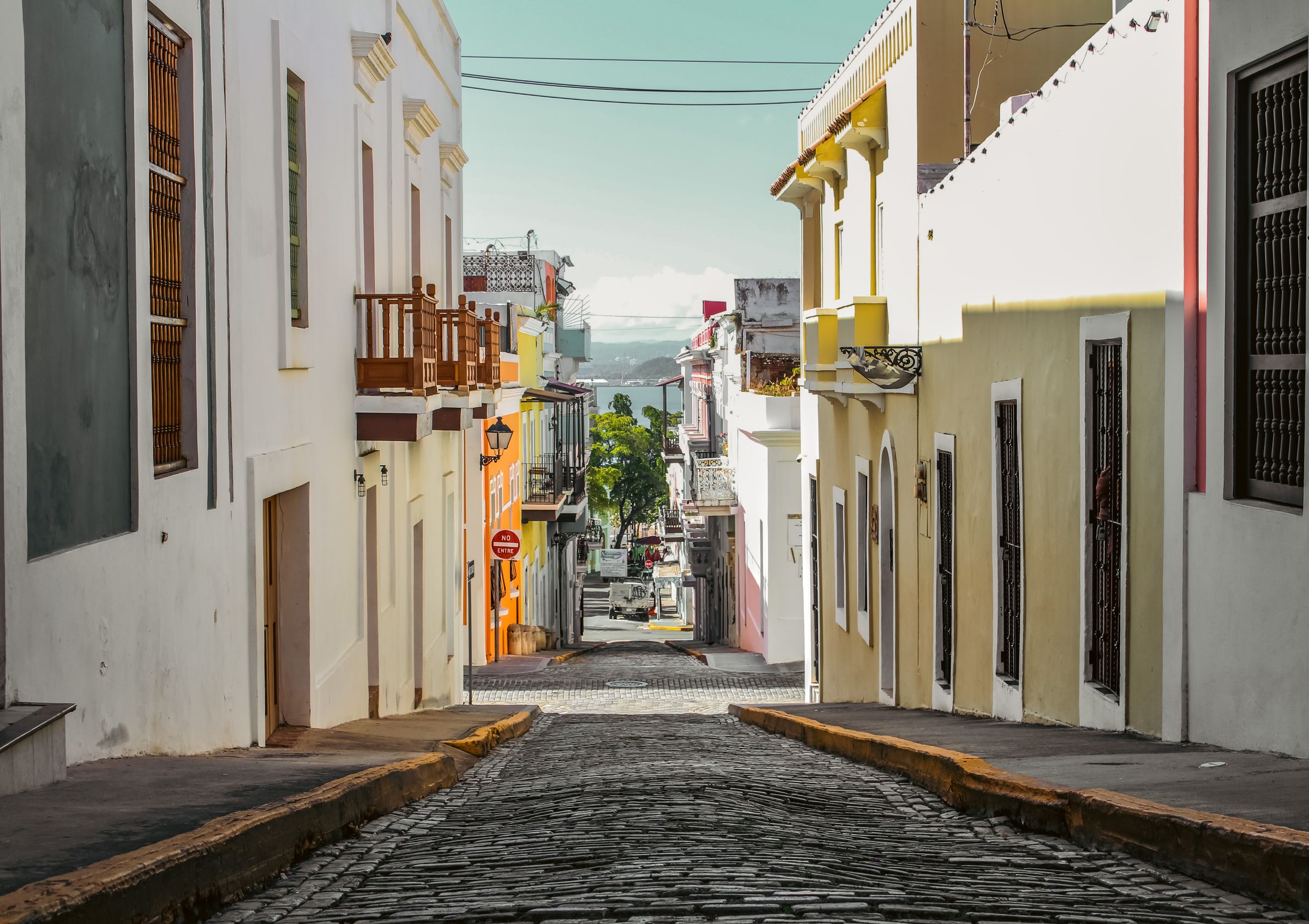
Old San Juan has been photographed more than almost any city in the Caribbean, and understood by comparatively few of the people who photograph it. Most arrive at midmorning, when the cruise ships have already emptied into the plazas and the streets have rearranged themselves for an audience. By then the city is performing — colorful, obliging, ready for its picture. What it is doing at half past five in the morning is a different matter entirely, and a much better use of anyone's time.
At that hour, the four-hundred-year-old stones underfoot are still cool from the night before. A baker somewhere on Calle San Sebastián has had the oven on since four. Someone is unlocking a shutter one door at a time, the way it has been done every morning since before anyone alive can remember. There is coffee, but it is not yet being sold to anyone — it is simply being made, for the people who live here, the way it always has been.
This is the Old San Juan that residents know and few Collectors ever see: unhurried, unlit by anyone's camera flash, entirely uninterested in whether you find it beautiful. The balconies have not yet caught the light. The plazas are empty enough to hear the pigeons. A neighbor waters a plant three floors up and does not look down.
There is a difference between seeing a city and being received by it, and that difference is almost entirely a matter of timing. To walk these streets after the shutters are open is to see Old San Juan. To walk them before is to be let in — quietly, without ceremony, the way a friend opens a door before the rest of the street is awake.
This Collection is not designed to help Collectors see more of Old San Juan. It is designed to help them see it more deeply.
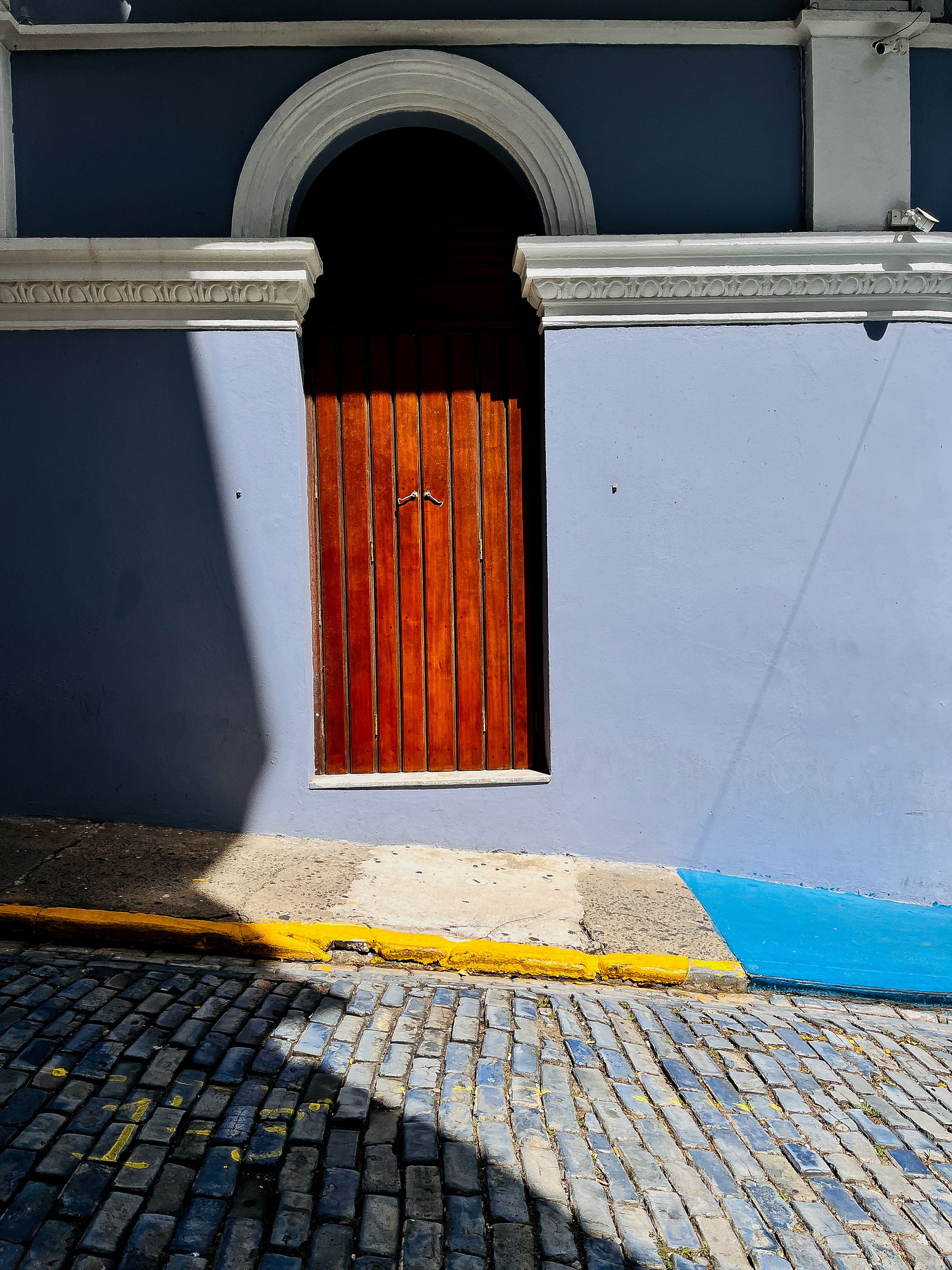
You wake before the alarm, the way you sometimes do in a place that has already started to feel less like a destination and more like somewhere you are allowed to be. Outside, the streets are still blue with the last of the night. Somewhere below your window, a shutter opens — metal against stone, unhurried, the first sound of the day that isn't the sea.
Coffee is already waiting, and it did not come from a menu. Fresh bread, still warm enough to fog the paper it's wrapped in. You walk without much of a plan, which is itself the plan — past doors painted the same blue as the morning, past balconies that haven't yet noticed the sun, into a courtyard someone left unlocked out of habit rather than invitation.
A House-selected historian meets you not with a script but with a relationship to this city that goes back generations — the kind of person who does not recite the fort's history so much as help it speak for itself. By midday the streets have filled in around you, and lunch happens without a schedule, the way good lunches do. In the late afternoon there is a pause, deliberately built in, before the light turns gold over the bay and the evening begins its own, quieter performance.
Every Edition is arranged for the Collector who will live it, so nothing below is fixed to a time on a clock. What follows is a feeling, and the kind of moment the House tends to shape around it.
The city belongs only to those already awake. Empty streets, cool stone, the particular hush before the first shutter opens.
Bakeries, coffee, and the sound of a neighborhood waking up around you rather than for you.
Architecture at its most legible — balconies, doorways, four centuries of decisions still standing in the light.
A pause, deliberately built in. A courtyard, a gallery, a shaded corner with nowhere to be.
The color changes before the crowd does. A quiet drink, a slow dinner, a city exhaling.
Most visitors arrive looking for landmarks.
We begin with neighborhoods.
Monuments tell history. Neighbors tell stories. A fort can only ever describe what happened here. A baker, a shopkeeper, a woman sweeping her own stoop at six in the morning — they describe what is still happening, which is the version of Old San Juan the House finds worth an introduction.
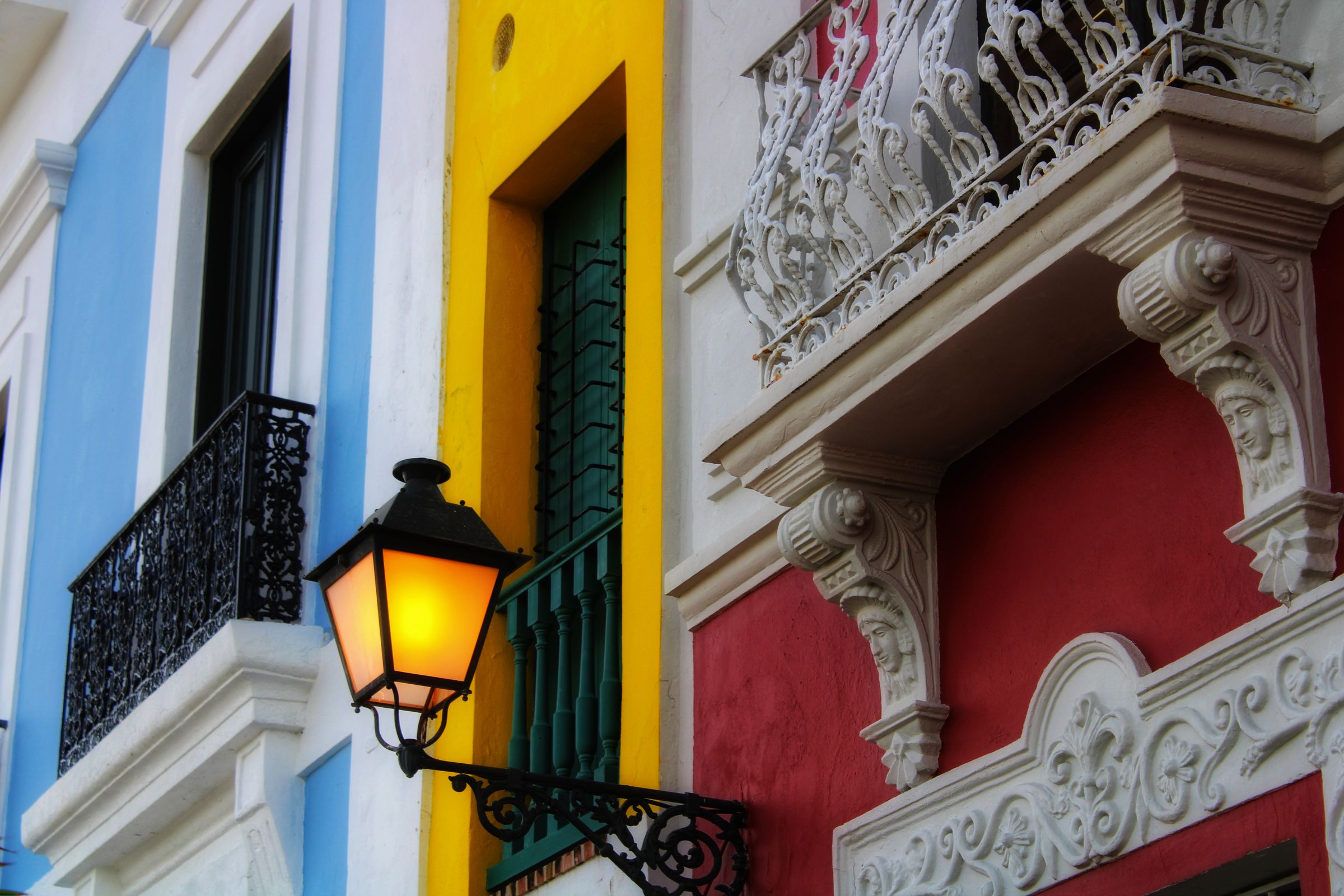
Every Collection is rewritten for each Collector, but these are a few of the places, rooms, corners, and rituals that often find their way into this chapter. They are not selected because they are famous. They are selected because they belong to the story.
Café Cuatro Sombras
A small-batch roaster and café built around a single, well-sourced Puerto Rican coffee, poured the way regulars take it.
Arrive before the espresso machine has fully warmed up. That is when the room still belongs to the neighborhood.
La Mallorca
A bakery counter that has been feeding this neighborhood breakfast for longer than most guidebooks have existed.
Order what the person ahead of you ordered. It is very rarely the wrong choice.
Casa Blanca Museum
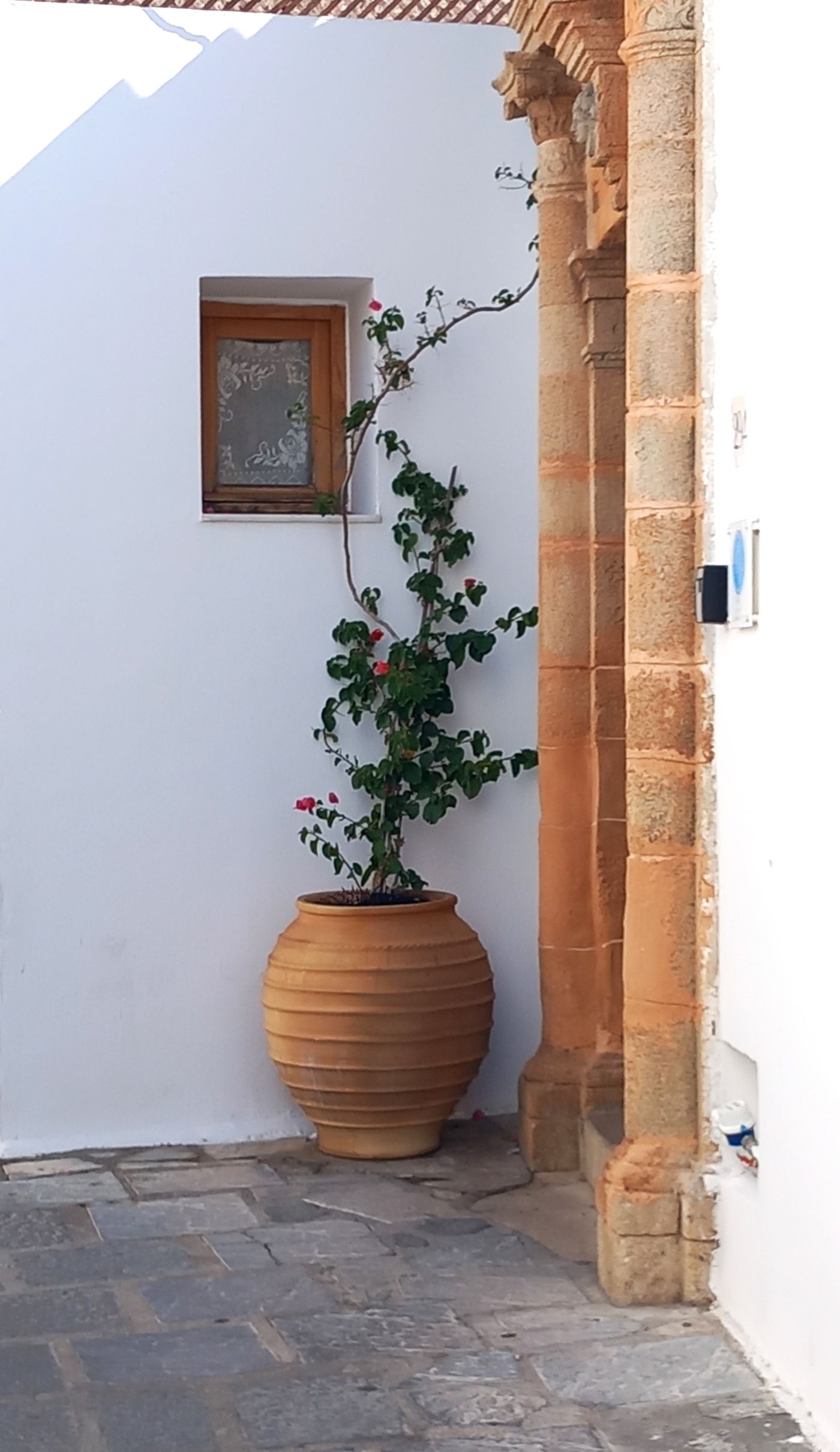
Once a residence, now a museum — its inner courtyard remains one of the most unexpectedly peaceful corners in the old city.
Most visitors rush the rooms and skip the courtyard entirely. Reverse the order.
Blue cobblestones, balconies, churches, plazas
Not a tour so much as a slow, guided attention — learning to read four centuries of decisions in doorways and iron railings.
A good guide does not recite history. A good guide helps the city speak.
A House-selected dining room
Chosen for the particular afternoon, not from a fixed list — sometimes formal, sometimes a counter with four stools and one excellent dish.
The right lunch has no set length. Plan for longer than you think.
A gallery, bookshop, courtyard, or quiet room
An hour built in on purpose, chosen on the day rather than left to chance.
Resist the urge to schedule this one. Its value is in being unclaimed.
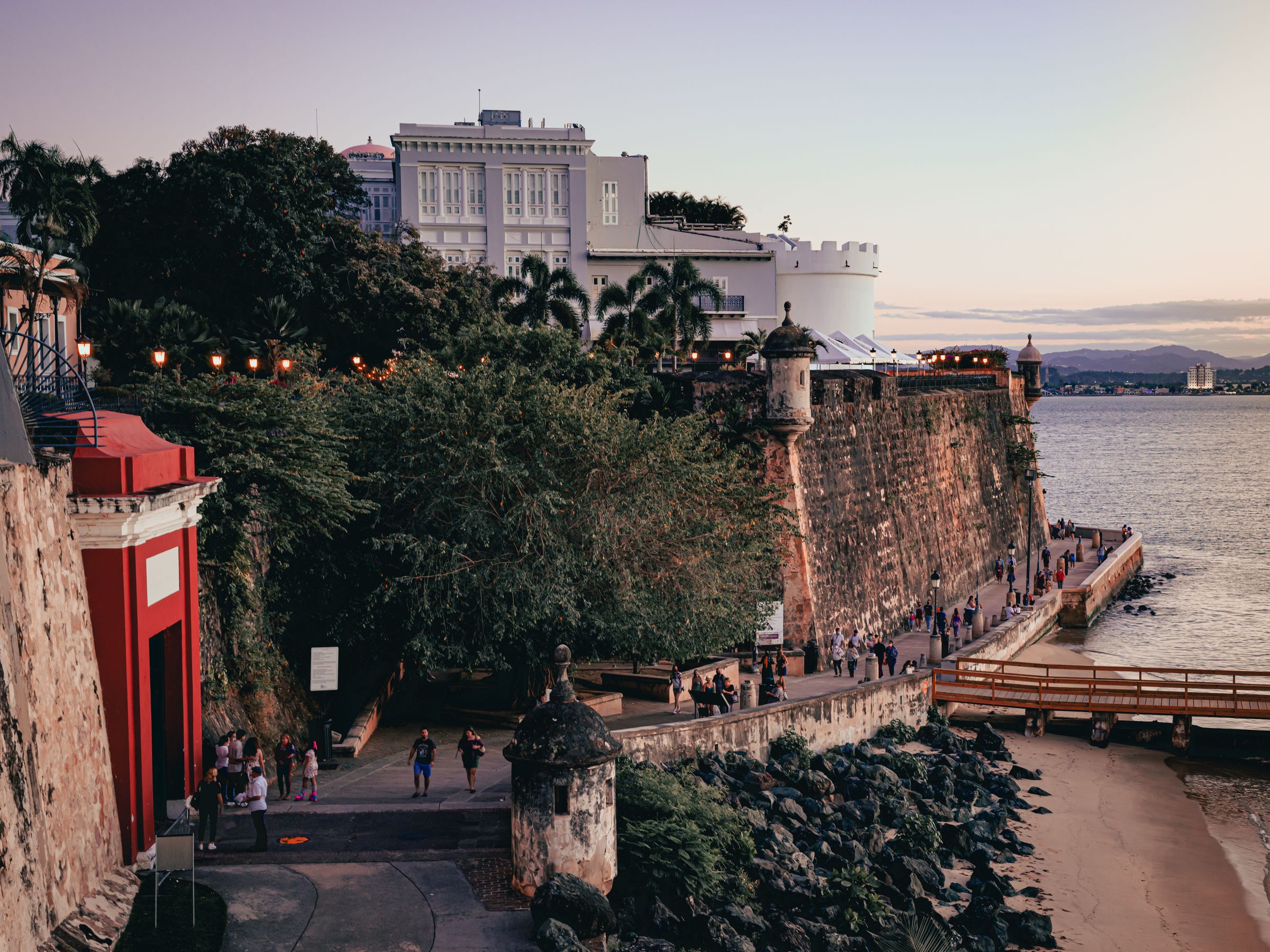
Paseo del Morro, or a House-selected overlook
The hour the whole city seems to agree on, watched from wherever the House believes it looks best that particular evening.
Arrive a little early. The ten minutes before are often better than the ten everyone photographs.
La Factoría, or another House-selected room
Old San Juan after dark, told through a handful of rooms the House trusts — sometimes a bar, sometimes something quieter.
Let the evening choose its own pace. The best ones rarely end where they were supposed to.
These are represented as they most often appear, not as a guarantee. Season, availability, reservation access, and — most of all — the particular Collector determine what actually finds its way into any given Edition. The House curates; it does not template.
Where you stay is decided only after the House understands who is arriving. What follows are three kinds of Residences that often serve this Collection well — not a menu to choose from, but a sense of the range the House works within.
A restored home inside the walls of the old city — thick stone, high ceilings, a sense that the building has opinions about how it should be lived in.
Small enough to be known by name at breakfast, chosen for character rather than category, and for a staff that understands the difference between service and hospitality.
The House's own Founding Residence — offered only when the dates and the Collector are the right match for it, never assumed.
This Collection is for Collectors who wake early without needing to be convinced of it. Who would rather read one plaque slowly than photograph ten. Who prefer a café with three regulars to one with a line out the door, and who have, at some point, stood in front of a door or a window or a balcony for longer than seemed reasonable, simply because it was beautiful and there was no one waiting on them to move along.
It is not for Collectors in a hurry, or those who measure a city by how much of it they covered. It rewards patience, curiosity, and a willingness to let one neighborhood teach you more than five ever could.
If you believe a city is best understood before it begins performing, this Collection was written for you.
The best morning in Old San Juan is rarely the one planned most tightly.
If it rains, do not rush inside. The blue stones are most beautiful when they reflect the sky.
A good guide does not recite history. A good guide helps the city speak.
Breakfast should never feel like a transaction.
Leave one hour empty. The city will know what to do with it.
A small, changing set of references the House associates with this Collection — not a packing list, and not required reading. Simply what comes to mind.
A morning danza, played low — the parlor music of Old San Juan's nineteenth century, unhurried and formal in a way that suits an empty street at dawn.
When I Was Puerto Rican, Esmeralda Santiago — a memoir about the particular ache of belonging to a place fully, and from a distance.
Café Cuatro Sombras — grown in the highlands, roasted minutes from where the House will pour it for you.
Wet stone and salt air — the specific smell of the bay meeting four-century-old limestone after the last rain.
A hand-shaped brass door knocker — the kind still found on facades in the old city, worn smooth by two centuries of hands announcing themselves.
Parts Unknown: Puerto Rico, Anthony Bourdain — angrier and more loving than any postcard of this island could be.
"We arrived expecting history. We left remembering the smell of bread, the sound of shutters opening, and the feeling that the city had allowed us in before anyone else arrived."
From a Collector's letter, after a morning in Old San Juan
The Coffee Highlands
From the old city's cafés to the mountains where the coffee itself is grown.
Read the Collection →Hands of Puerto Rico
The bakers, artisans, and craftspeople whose hands shape the mornings this Collection reveals.
Explore the Collection →The Journal
Further essays on the House's philosophy, the island, and the people who shape both.
Read the Journal →Every Collection begins as a conversation. The places come later.